England End India's 1,605-Day T20I Reign: Brook Era Begins
A 56-run victory at the Rose Bowl on 11 July 2026 capped a 4-0 series sweep and pushed Harry Brook's side past India to the top of the ICC rankings, four months after India lifted the T20 World Cup in Ahmedabad.
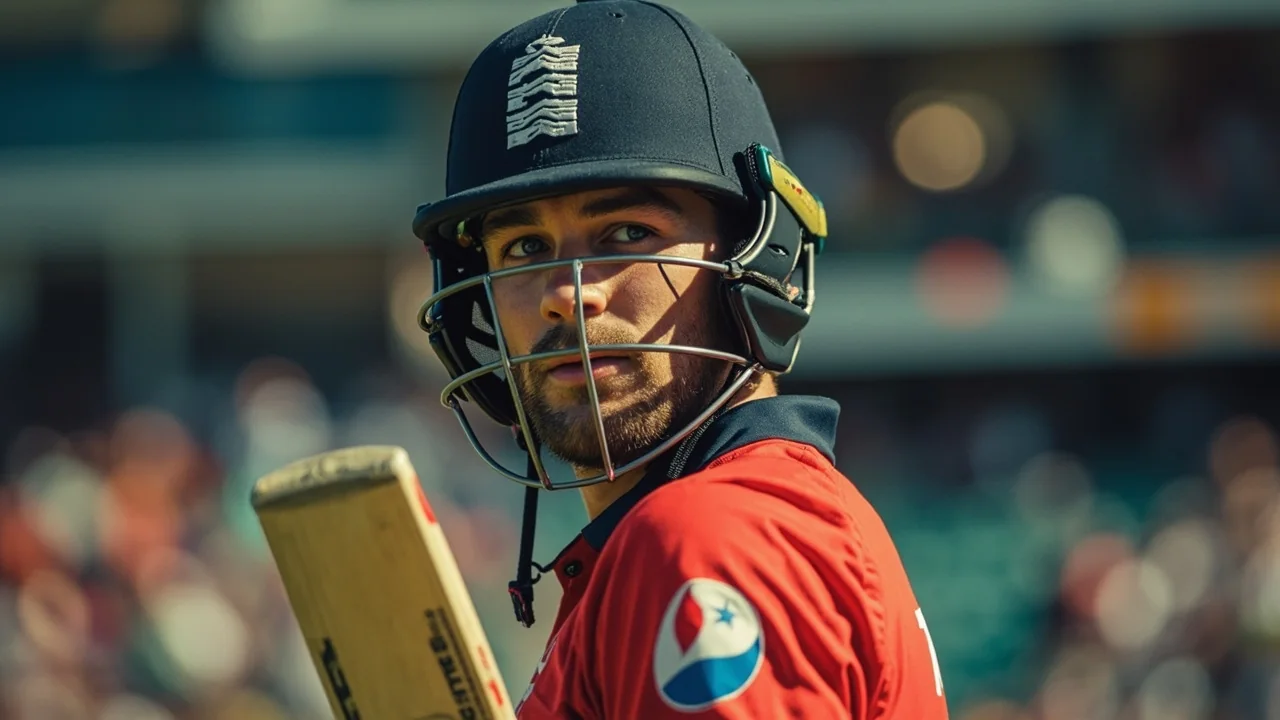
England are the No. 1-ranked T20I side in the world. The ICC confirmed the change after Harry Brook's team completed a 4-0 series whitewash of India at the Rose Bowl in Southampton on Saturday, 11 July 2026, sealing the top spot with a 56-run victory in the fifth and final match of the tour.
The result ended a 1,605-day reign for India at the summit of the men's T20I rankings, a stretch that began in February 2022 and survived India's T20 World Cup triumph in Ahmedabad four months earlier. England arrived at the decider on 267 ICC rating points with India on 269; the formal ranking update was scheduled for publication by the ICC the following Wednesday.
How the series turned
India went into the tour as world champions and the consensus No. 1 side in the format. They left it having taken six defeats and seven winless games across two tours, including a shock 2-0 sweep in Ireland that preceded the England leg. The drop-off was as sudden as it was emphatic.
England, by contrast, have been remade under Brook. Since the captain took charge, his side have won 20 of 23 completed T20Is, a run that has carried them from also-rans to the top of the table inside a calendar year. The series win over India was the clearest statement yet that the rebuild around Brook, Buttler and a refreshed pace battery has translated into consistent results against top-tier opposition.
The night that decided it
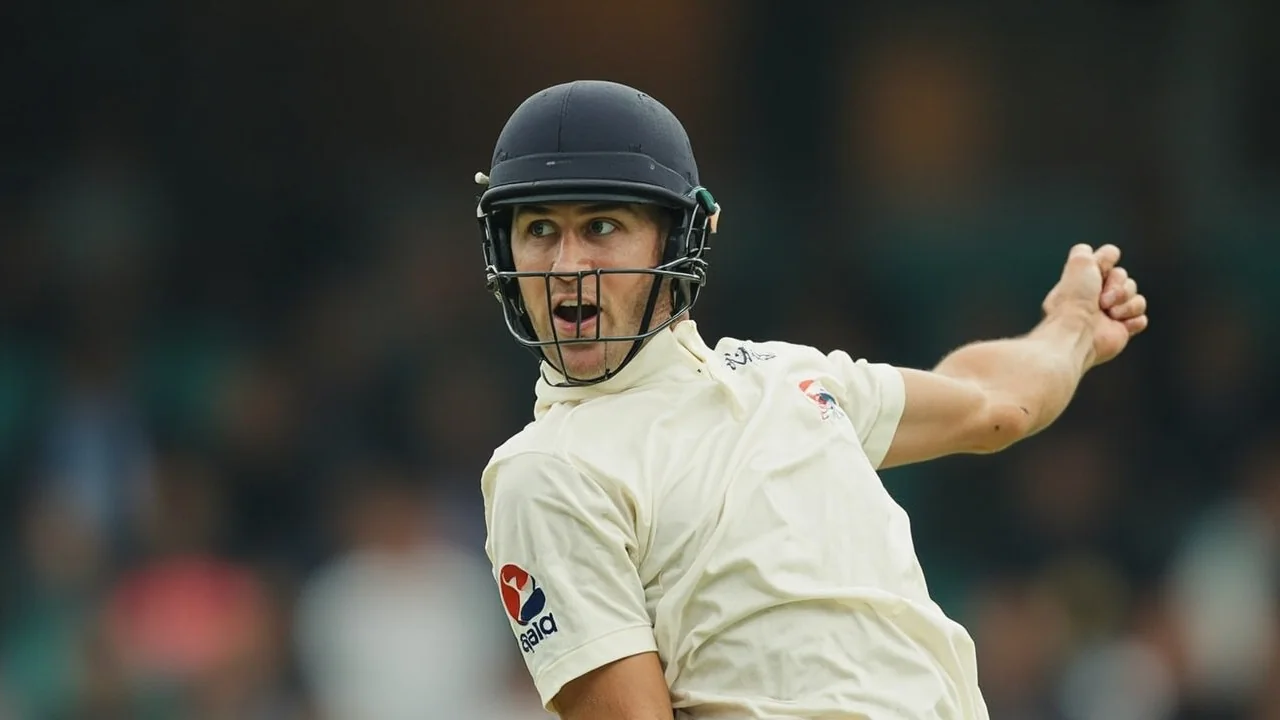
England posted 257 for 3 after being put in. Jos Buttler scored 131 from 64 balls, with 12 fours and eight sixes. Brook finished unbeaten on 95 from 45. Their second-wicket stand of 233, finished in the 17th over, was the single biggest reason the chase equation became near-impossible for India, who closed on 201 for 8.
Ishan Kishan's fifty was the only resistance of note in India's reply. The defeat was also India's first whitewash in a T20I series longer than two matches, a record that had stood since the format's professional era began, and it gave Brook the cleanest possible statement of intent in his first full summer as captain.
What the ranking actually means
ICC T20I rankings are calculated on a rolling rating system: each side carries forward a baseline that is recalculated after every completed match, weighted by opposition strength and the margin of victory. India entered the series with 269 rating points, the cumulative reward of more than four years of consistent results. England's 267 reflected their own surge under Brook, and the 4-0 sweep was enough to lift them past India once the final calculation ran.
The ICC confirmed the methodology in the formal release published on 15 July 2026. The change is not provisional: England now sit at the top and India second, with the gap narrow enough that the next bilateral series between two top-eight sides will move the standings again. India will be back at No. 1 if they win a sufficiently weighted upcoming assignment; England will extend their lead if they hold form through the autumn window.
Inside India's slide
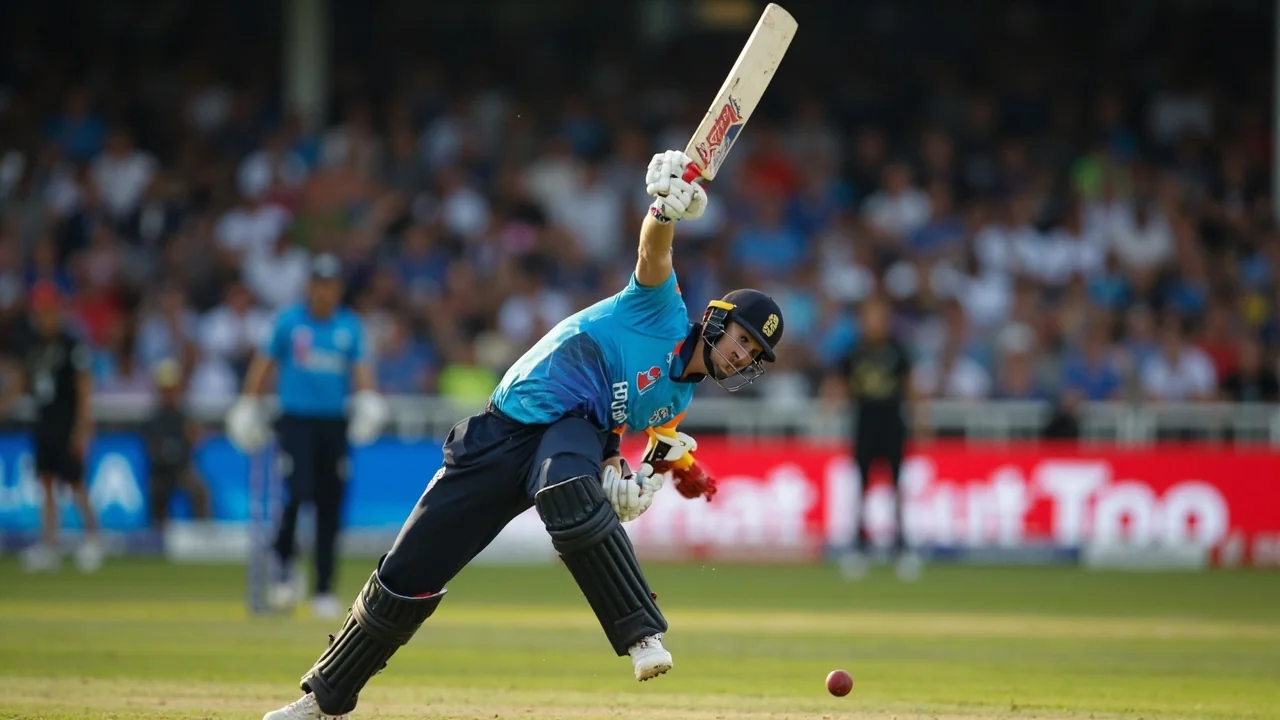
India's defeat cannot be read in isolation. The tour to England was the second leg of a European stretch that began with the Ireland whitewash — the first time India had lost a multi-match T20I series against an Associate-tier opponent in the post-2018 cycle. By the time the squad arrived at Southampton, the team's middle order was managing form questions, the bowling unit had lost its shape across two different venues, and the captaincy rotation between assignments had begun to show seams.
The Ahmedabad win in March 2026, the World Cup final against South Africa, masked several of these cracks. The England tour exposed them. The good news for India is that the depth remains: the same squad will return to action in the Asia Cup window in September 2026, and a winter of bilateral cricket offers the cleanest path back up the table. The bad news is that the 1,605-day run is over, and a four-year ranking lead takes time to rebuild.
The Buttler-Brook template
The 233-run second-wicket stand was the clearest expression of a tactical pattern that has defined England under Brook: senior wicketkeeper-batter at first drop, captain in the middle order, both with licence to clear the rope. Buttler finished with a strike rate of 204.68, Brook with 211.11. Neither slowed after the powerplay. The intent, set by the dugout and trusted by the batters, was to deny India a containment window from overs 7 to 14.
It was the second time the pair had put on 200 or more in a T20I. The first came against Australia at the Kia Oval in September 2025, a 207-run stand that established the template. England have made the high-scoring second-wicket partnership their default chase-shaping mechanism, with the data suggesting it works: when Buttler and Brook have both passed 30 in the same innings under Brook's captaincy, England have won 11 of 12 completed matches.
What changed for India
India's batting order in Southampton was notable for the absence of the same clarity. The top three have shuffled across all five matches of the tour, with three different opening combinations used and only one batter — Yashasvi Jaiswal — keeping his slot throughout. The middle order absorbed two changes between matches three and four, the bowling attack rotated through six combinations across the five games, and the captain's match-up choices at the death reflected a side still searching for its best XI rather than running a settled plan.
None of this is a disaster in isolation. India have the depth to absorb a tour defeat and the schedule to recover the rating points quickly. The concern for the camp is whether the 1,605-day run masked the structural churn, and whether the 4-0 result is the prompt to stabilise the selection rather than chase form. The Asia Cup squad announcement, expected in mid-August, will be the clearest window into which direction the team management takes.
What comes next
The 2028 T20 World Cup is scheduled for Australia, with the ODI World Cup following in South Africa the year after. England's current ranking buys them a friendlier group-stage seeding path at both tournaments, while India will now enter draws from the second band. The competitive implications are real: in T20 World Cups since 2022, top-seeded teams have won 71 per cent of their group-stage matches; second-band seeds have won 54 per cent.
For Brook's side, the next test is the West Indies tour in November 2026, a three-match series that begins the next ICC ranking cycle. For India, the immediate schedule is a five-match home series against New Zealand in October, where a clean sweep is the minimum required to halt the slide in the table. The Come Sports editorial desk will track both fixtures as they approach.
England stand at No. 1. India know how to climb back. The numbers that mattered on 11 July 2026 — the 4-0 margin, the 257 for 3, the 233-run stand, the 1,605 days — are the same numbers that will frame the next chapter whenever it begins.
Frequently asked questions
When did England overtake India at No. 1 in the T20I rankings?
How long did India hold the No. 1 T20I ranking?
What was the deciding match score?
Who captained England during the series?
Which series did India lose before the England tour?
Continue reading cricket news and fantasy impact on the Come Sports cricket news desk.
Track every series with Come Sports
AI captain picks, Rs 1 mega contest entries and live fantasy point updates. Use code BETS100 for Rs 100 welcome bonus.