England vs India 3rd T20I Fantasy Preview Revisited: Trent Bridge, 7 July 2026
On the morning of 7 July 2026, Sports Preferred published a Dream11-facing preview for the third T20I of India’s tour of England. The fixture was listed for 10:00 PM IST at Trent Bridge, Nottingham, with England already 1-0 up after a washed-out opener and a high-scoring chase in the second match.
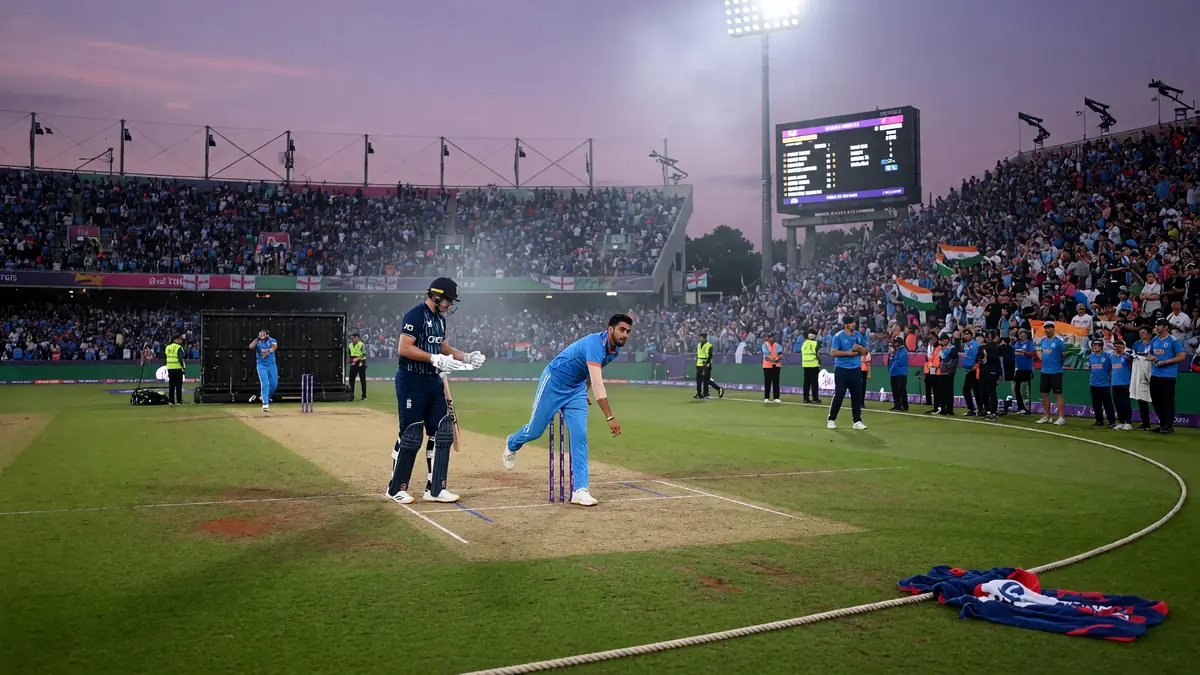
By the time the third T20I arrived, the series already had a clear shape. The first match had been washed out. England then won the second in a high-scoring chase described, in the same preview cycle, as their highest successful chase against India in T20Is. That result put the hosts 1-0 ahead heading into Nottingham.
The 7 July preview was written for fantasy managers trying to read that momentum into one more XI. It mixed immediate form from the second T20I with venue history at Trent Bridge, predicted elevens for both sides, and separate captain stacks for small-league and grand-league formats. The piece remains useful as a dated snapshot of how the series looked before the third match was played.
What the second T20I left behind
India’s batting card from the second match supplied most of the fantasy conversation. Abhishek Sharma made 43 off 24 after a slow start. Ishan Kishan finished on 49 off 40. Shreyas Iyer contributed 37 off 22, and Tilak Varma closed with 24 not out off 11. The innings shape was uneven: India were 130 for 2 after 13 overs, then managed only 60 in the final seven.
That late stall mattered because England still had to chase a competitive total. Arshdeep Singh removed Jos Buttler and Phil Salt in the first over of the reply, a double strike that briefly flipped the contest. The chase then recovered through Harry Brook and Jacob Bethell. Bethell’s 29-run assault in the 17th over, bowled by Ravi Bishnoi, was recorded as the over that broke the game open.
Alongside the senior names sat a debut footnote that fantasy desks immediately flagged. Vaibhav Suryavanshi was reported as India’s youngest international and youngest T20I debutant. His first innings was short — 14 off 10 with two sixes — but the ceiling attached to that introduction made him a live differential in the third-match conversation even before he had a full sample.
Match setting: Trent Bridge on 7 July 2026
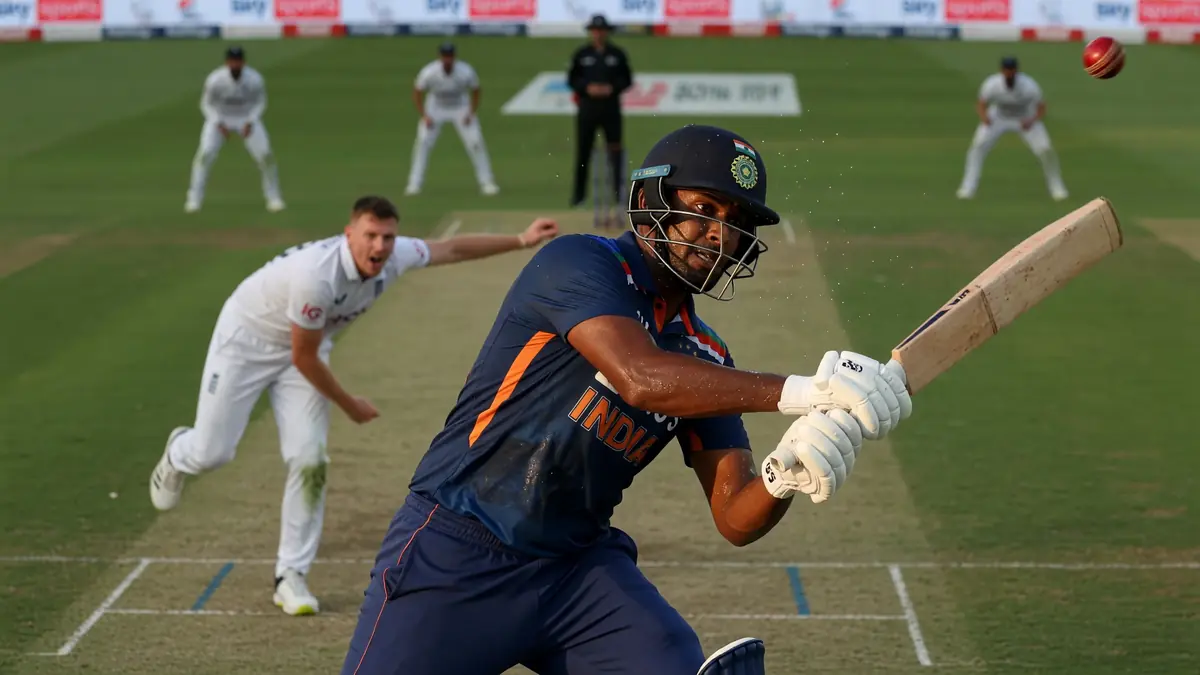
The preview listed the third T20I for Tuesday, 7 July 2026, at Trent Bridge, Nottingham, with a 10:00 PM IST start. Weather notes pointed to a dry evening: 23-25°C, humidity in the mid range, and a 0% rain chance. The pitch call was pace-friendly and biased toward fast bowlers, a useful correction after a high-scoring second match elsewhere in the series.
Ground history in the report covered 16 prior T20Is at the venue. Ten of those sides batting first had won; six chasing sides had won. The average first-innings score sat at 167. The highest listed mark was Pakistan’s 232 for 6 against England. The lowest was New Zealand’s 110 all out against Sri Lanka. Chase success at the ground was framed at 38% in the same table.
Those numbers framed the fantasy problem cleanly. A first-innings score near 167 was ordinary rather than extreme. A pace-friendly surface raised the value of new-ball seamers and death overs specialists. Batters who thrived when the ball came onto the bat remained central, but pure sloggers without a method against bounce were riskier than they had looked after the second T20I.
Head-to-head backdrop and captaincy pressure
All-time England-India T20I head-to-head in the preview stood at India 18 wins, England 13, and one tie. Recent form lines were mixed: India’s last five were listed as W, L, L, NR, L; England’s as W, W, L, NR, W. The washed-out first match of the tour sat inside both sequences as the no-result.
Captaincy pressure sat more heavily on India. The preview noted that Shreyas Iyer had four winless games as captain in the immediate stretch and only one win in his previous ten T20s as captain. No injury updates were listed for either side in the same report, which left selection questions driven by form and matchup rather than forced absences.
For fantasy managers, that context mattered less as a narrative and more as a role signal. Iyer remained in the predicted XI as captain and middle-order batter. England’s side was built around Harry Brook as captain, with Jos Buttler keeping and Phil Salt opening. Stability on the England card contrasted with India’s need for a result after the second-match defeat.
Predicted elevens from the 7 July desk
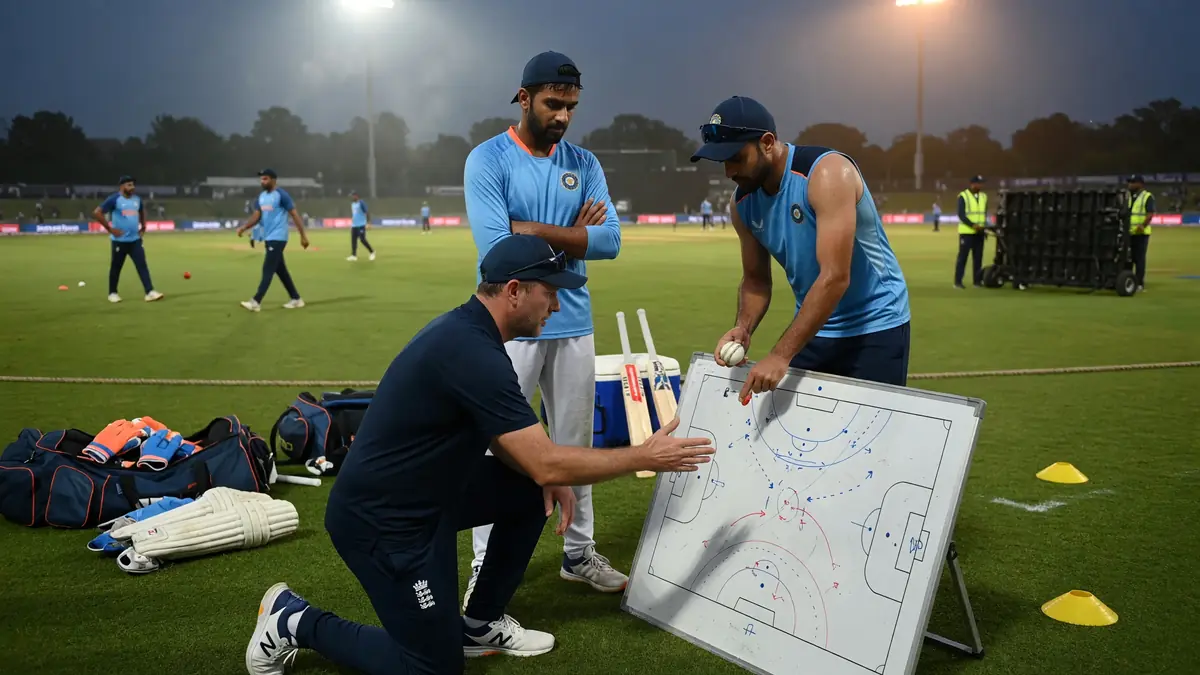
The India XI in the preview ran: Abhishek Sharma, Vaibhav Suryavanshi, Ishan Kishan, Shreyas Iyer (captain), Shivam Dube, Axar Patel, Tilak Varma, Harshit Rana, Prince Yadav, Arshdeep Singh and Varun Chakravarthy. The order blended the second-match batting core with a bowling group that mixed left-arm pace, right-arm seam and mystery spin.
England’s predicted side was Phil Salt, Jos Buttler (wicketkeeper), Harry Brook (captain), Jacob Bethell, Tom Banton, Sam Curran, Will Jacks, Jofra Archer, Liam Dawson, Luke Wood and Adil Rashid. That eleven kept the top-order aggression that had finished the second chase, while retaining Curran and Jacks as dual-role pieces and pairing Archer’s pace with Rashid’s control.
Reading the two cards together, the clearest fantasy spine was top-order batting plus one all-rounder from each side. Salt, Buttler, Brook, Abhishek and Kishan covered the ceiling. Curran and Axar covered overs plus lower-order hitting. Arshdeep retained premium bowling value after the first-over double strike in the previous game, even if England’s later recovery had reduced the final bowling returns.
Captain and vice-captain stacks in the original preview
Small-league captain and vice-captain options listed in the preview were Vaibhav Suryavanshi, Sam Curran, Phil Salt and Jacob Bethell. That group mixed a high-upside debutant, a dual-role England all-rounder, a proven opener and the batter who had just taken 29 off a single Bishnoi over.
Grand-league options were Abhishek Sharma, Harry Brook, Jos Buttler and Ishan Kishan. The split was deliberate. Small-league stacks leaned toward slightly less owned or multi-category names; grand-league stacks returned to established scorers with clearer floor in a bilateral T20. None of those names were presented as certainty. They were the shortlist the original desk used on the morning of 7 July.
For managers rebuilding the same problem today as a study exercise, the lesson is less about copying the names and more about understanding the filters. Trent Bridge’s pace note elevated seam-friendly conditions. The second match’s chase elevated England’s top four. India’s unfinished middle-order story kept Iyer, Dube and Tilak in the conversation even after the late collapse. Suryavanshi’s age-record debut kept a differential alive despite a ten-ball sample.
How the fantasy logic fitted the series state
England entered the third match needing only one more win to lock the series. India needed a response after scoring only 60 in the last seven overs of the previous innings and then watching a promising bowling start dissolve. Fantasy value often follows that urgency: batters under scoreboard pressure and bowlers defending a series lead both attract ownership for different reasons.
The preview’s India batting notes already showed where ownership could fracture. Abhishek’s strike rate justified a top-order lock. Kishan’s 49 off 40 looked like volume without acceleration, which can still score fantasy points but usually loses captaincy share. Iyer’s 37 off 22 and Tilak’s 24 not out off 11 supported a late-overs rebound thesis. Dube and Axar then filled the all-rounder slots that keep a card balanced when the pitch rewards seam.
England’s side offered cleaner role clarity. Salt and Buttler opened the ceiling. Brook captained from the middle. Bethell carried the form spike from the 17th over. Curran and Jacks covered bowling overs. Archer, Wood, Dawson and Rashid completed a unit that could exploit a pace-friendly surface without abandoning spin control in the middle.
Anyone revisiting the card for method rather than nostalgia can still map those roles onto modern fantasy cricket contests: fix the venue baseline first, weight the previous match’s over-by-over shape second, then decide whether the captaincy chip sits on a high-floor opener or a differential who only needs one clean powerplay.
What the 7 July snapshot still teaches
Retrospectives are most useful when they preserve the uncertainty of the original morning. On 7 July 2026, managers did not know whether Trent Bridge would play closer to its 167 average or spike toward the 232 ceiling. They did not know whether Arshdeep would repeat his first-over damage, whether Suryavanshi would convert a ten-ball cameo into a longer stay, or whether Iyer’s captaincy drought would end that night.
What they did know is still on the record. England led 1-0 after the highest successful chase of the rivalry in the format, according to the same preview. India had left 60 runs on the table across the final seven overs of the previous innings. Trent Bridge carried a pace-friendly forecast, a dry evening and a first-innings average of 167 across 16 T20Is. The predicted elevens and captain lists above were the market’s published answer to that information set.
The lasting value of the Sports Preferred desk note is therefore structural. It captured a bilateral series at the exact point where a washed-out opener, a chase classic and a venue change collided. For readers who study short-format fantasy rather than chase live lock-ins, that collision remains a clean case file: form from one high-scoring night, conditions for the next, and a shortlist of captains split by contest type.
England’s 1-0 lead, India’s unfinished batting shape, Suryavanshi’s debut footnote and Trent Bridge’s pace note were the four facts that organised the 7 July card. Everything else in the preview — the elevens, the head-to-head table, the small-league and grand-league stacks — was an attempt to turn those facts into a selectable team before the floodlights came on in Nottingham.
Frequently asked questions
When was the England vs India 3rd T20I scheduled?
What was the series score before the third T20I?
Which captain options did the 7 July preview list?
What did the Trent Bridge ground notes say?
Were any injuries listed for either side?
Source note: factual record drawn from the Sports Preferred fantasy preview published 7 July 2026 for England vs India, 3rd T20I.
Build smarter short-format teams
Use code BETS100 for Rs 100 welcome bonus on the official app. Live contests, captain tools and match-by-match coverage.