
East Delhi Riders meet North Delhi Strikers in Match 11 of the Delhi Premier League 2026 at Arun Jaitley Stadium on 5 August. East Delhi have lost their first two matches and sit eighth. North Delhi are seventh after losing their opening game. The immediate stakes are plain: one team will have the chance to secure its first victory, while the other risks falling further behind during the opening phase of the competition.
The EDR vs NDS Dream11 prediction begins with the probable line-ups rather than a result call. CricTrends named two wicketkeepers, five specialist batters, one all-rounder and three bowlers in its suggested fantasy XI. Sarthak Ranjan received the captain multiplier and Simarjeet Singh the vice-captain multiplier. That selection leans into the expected batting conditions but keeps one premium bowling route open if aggressive strokeplay produces wickets.
Every name remains provisional until the official team sheets are released. A probable XI can identify the roles most likely to matter, but it cannot confirm a late selection change or a different batting order. The strongest way to use the published team is therefore to preserve its logic—top-order access, wicketkeeping opportunities and wicket-taking bowling—while checking each player’s actual role at the toss.
Both sides bring early-season pressure, not reliable form
East Delhi’s two defeats place them at the bottom of the table before Match 11. North Delhi have played one fewer match but arrive in the same practical position: they are still searching for a first win. The small sample makes current form a poor way to separate the sides. Two defeats reveal East Delhi’s difficult start; they do not establish a stable pattern for every batter or bowler in the probable XI.
The head-to-head record offers a modest East Delhi edge. Four previous meetings produced two East Delhi wins, no North Delhi wins and two no-results. Only half of those meetings produced a winner, so the record is better used as a close-call tiebreaker than as permission to overload a fantasy team with East Delhi players. The incomplete matches reduce the amount of evidence available, and neither side has supplied a current-season victory to strengthen the historical signal.
For fantasy selection, role security is more useful than the table. An opener who is confirmed in the XI can face the greatest number of deliveries even for the lower-ranked side. A bowler trusted with attacking overs can score through wickets even if his team concedes heavily. Team position supplies context; opportunity produces the points.
Arun Jaitley pitch report favours boundary access
The source describes a batting-friendly pitch with consistent bounce, good pace and short boundaries. Those characteristics reduce the adjustment time for batters. Reliable bounce makes front-foot and cross-batted strokes easier to judge, while pace on the ball rewards clean timing. Shorter boundaries convert more aerial shots into sixes and raise the value of players who bat before the field spreads.
The surface description does not remove bowlers from consideration. A ground that encourages boundary attempts also encourages chances. Fast bowlers can benefit when batters attack length balls, while spin can draw catches when players try to clear the longer part of the field. The best bowling choices are therefore not necessarily the most economical names; they are the players most likely to be used as wicket-taking options.
CricTrends also noted that fast bowlers may find some early movement with the new ball and that spinners could become more influential as the surface wears. These are possibilities in the source report rather than confirmed match developments. They reinforce the value of the toss: the innings order and final bowling attacks will tell fantasy players which phase each selected bowler is expected to control.
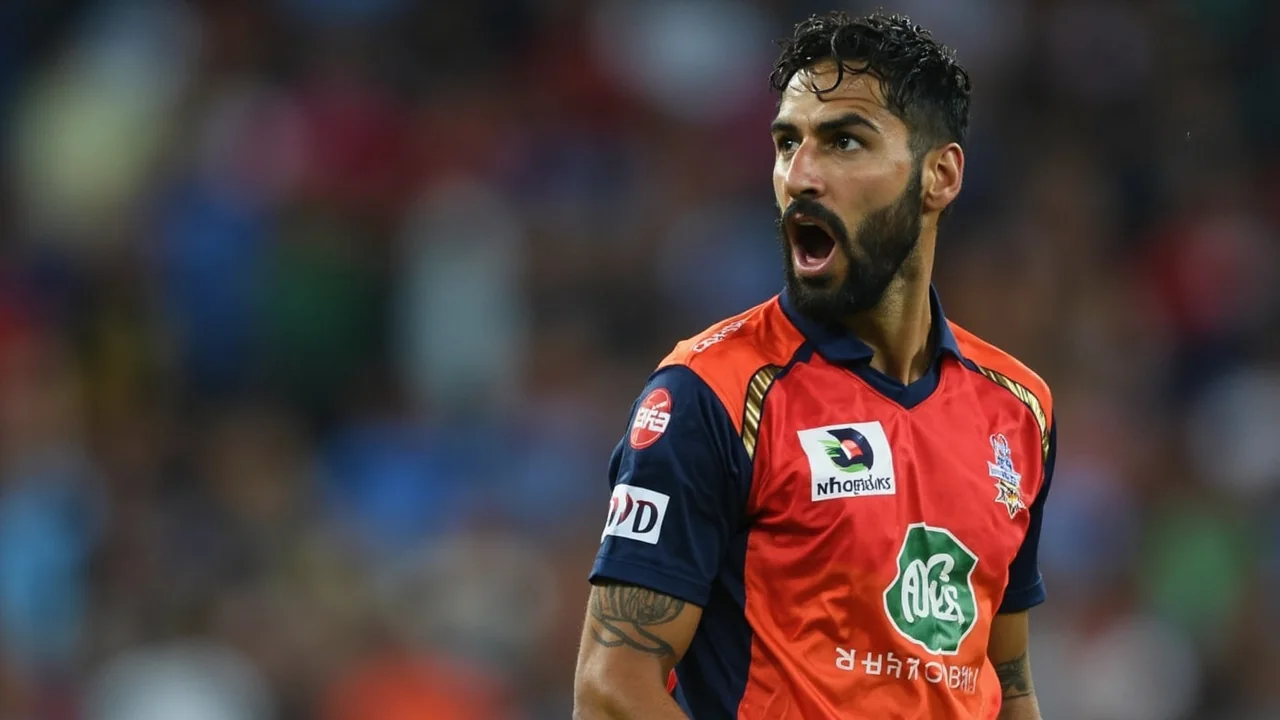
Probable playing XIs for EDR vs NDS Match 11
The two probable XIs provide the essential selection pool. They also show where the fantasy combination has taken its seven batting and wicketkeeping options. No player should remain in a final team merely because a preview listed him; confirmation in the official XI is the first requirement.
East Delhi Riders probable XI
Arpit Rana, Dhruv Kaushik, Kavya Gupta, Hardik Sharma, Mayank Rawat (captain), Rounak Waghela, Simarjeet Singh, Suryansh Raina (wicketkeeper), Deepak Punia, Rohit Yadav and Ashish Meena.
North Delhi Strikers probable XI
Sarthak Ranjan (captain), Vaibhav Kandpal, Yash Dabas, Yash Bhatia, Bharat Sindhwani, Pranav Rajvanshi (wicketkeeper), Arjun Rapria, Mayank Dagar, Vikas Dixit, Ajay Yadav and Akhil Chaudhary.
The probable teams clarify an important detail that a mixed fantasy list can obscure: Sarthak Ranjan is named in North Delhi’s XI, while Simarjeet Singh is named for East Delhi. The multipliers consequently span both teams and two disciplines. That split avoids tying both premium positions to the same batting collapse, chase or innings.
The published Dream11 XI and its 7-1-3 balance
The suggested Dream11 XI contains Suryansh Raina and Pranav Rajvanshi as wicketkeepers. Mayank Rawat, Sarthak Ranjan, Vaibhav Kandpal, Arpit Rana and Dhruv Kaushik form the specialist batting group. Bharat Sindhwani is the sole all-rounder. Simarjeet Singh, Mayank Dagar and Ajay Yadav fill the three bowling places.
That creates a 7-1-3 split when the wicketkeepers and specialist batters are grouped together. It is a clear commitment to the pitch report. Seven players can collect the bulk of their return through runs, boundary bonuses and catches behind the stumps. Only one place receives the flexibility of an all-rounder, while three bowlers carry the wicket-taking burden.
The structure has a sensible reward profile and an obvious risk. If the pitch plays true and the top orders use the short boundaries, seven batting-oriented selections can stay involved across both innings. If the new ball dominates or one side collapses, the combination has fewer bowling routes than a more balanced 6-2-3 or 5-2-4 construction. The final selection should not ignore that concentration.
Suggested fantasy XI
Wicketkeepers: Suryansh Raina, Pranav Rajvanshi.
Batters: Mayank Rawat, Sarthak Ranjan (captain), Vaibhav Kandpal, Arpit Rana, Dhruv Kaushik.
All-rounder: Bharat Sindhwani.
Bowlers: Simarjeet Singh (vice-captain), Mayank Dagar, Ajay Yadav.
Sarthak Ranjan and Simarjeet Singh cover different outcomes
Sarthak Ranjan is the source-backed captain choice. The surrounding logic is straightforward: the surface is expected to favour batting, the selected team is weighted toward run-scoring, and Ranjan appears at the top of North Delhi’s probable XI. A top-order role gives a batter the largest possible delivery window, making him a natural candidate for the 2x multiplier when conditions are favourable.
The choice is not a guarantee that Ranjan will top-score. It is a probability decision based on opportunity. Confirmation in the playing XI matters, and his position in the final batting order matters just as much. If he remains a top-order batter, the original captaincy argument holds. If the official team sheet or batting plan changes his role, the multiplier should follow the opportunity rather than the preview.
Simarjeet Singh’s vice-captain selection gives the team a second route to a strong score. As a bowler in East Delhi’s probable XI, he benefits if the batting-friendly conditions tempt North Delhi into high-risk shots. The 1.5x multiplier is smaller than the captain’s 2x return, but it can protect the combination when the expected run-fest produces wickets instead of one uninterrupted batting performance.
The two multipliers therefore do not need the same match script. Ranjan benefits from a sustained batting contribution. Simarjeet benefits from dismissals. One plays for the expected surface; the other covers the risk created by batters attacking that surface.

The second wicketkeeper and lone all-rounder need role checks
Selecting both Suryansh Raina and Pranav Rajvanshi can work if each has a meaningful batting position. Wicketkeeping adds catches and stumpings, but those opportunities vary with the bowling attack and the match. Batting position is the more predictable pre-match measure. A keeper expected near the top order has two scoring routes; a keeper near the tail may rely too heavily on dismissals.
The source does not confirm the batting positions of both wicketkeepers. That uncertainty should remain visible in the decision. If both are named and both retain useful batting roles, the two-keeper plan fits the seven-player batting emphasis. If one drops deep in the order, replacing that slot with an additional all-rounder or wicket-taking bowler can reduce concentration risk.
Bharat Sindhwani carries an unusual amount of structural importance because he is the only all-rounder. His selection provides the one place where batting and bowling can combine. That potential depends on usage. A confirmed place in North Delhi’s XI is necessary, but fantasy players should also look for evidence that he will bowl and will not be restricted to a low batting position.
What the three-bowler group must deliver
Simarjeet Singh, Mayank Dagar and Ajay Yadav complete the suggested XI. The source identifies Simarjeet as the priority through the vice-captaincy. It does not provide specific over allocations for the three bowlers, so any claim about powerplay, middle-over or death-over duties would go beyond the verified record. The safe selection test is simpler: all three must be confirmed and expected to bowl.
Mayank Dagar and Ajay Yadav offer role variety around Simarjeet, but the available report does not rank one above the other. Their value should be reassessed once the teams are announced. If one of them is omitted, the replacement should preserve wicket-taking potential rather than simply filling a bowling label.
A batting-friendly ground can still reward a three-bowler unit when those bowlers attack. A defensive bowler may protect his figures without generating enough dismissals to beat a top-order batter. A bowler used to break partnerships can concede boundaries and still produce a strong fantasy return. Match role matters more than a generic preference for pace or spin.
Five checks to complete after the toss
The toss is where a preview becomes a usable fantasy team. The published XI offers a starting shape, but each selection needs confirmation. Five checks can be completed quickly without inventing information the source has not supplied:
- Confirm that all eleven suggested players appear in the official line-ups.
- Check whether Sarthak Ranjan retains a top-order batting position before keeping the captain multiplier.
- Compare the likely batting positions of Suryansh Raina and Pranav Rajvanshi before committing to two wicketkeepers.
- Confirm that Bharat Sindhwani has a genuine all-round role rather than a single-discipline assignment.
- Keep Simarjeet Singh as vice-captain only if his bowling role remains substantial in East Delhi’s final XI.
The toss may also affect the value of the pitch report. The source suggests favourable batting conditions and notes the possibility of early pace and later spin. The innings order indicates which players receive each phase first. It does not guarantee that one side will chase successfully, and the verified dossier does not supply a confirmed toss result.
How to adjust without abandoning the original logic
If one of the probable players is absent, replace the role before replacing the name. A missing top-order batter should lead to another confirmed top-order batter, not automatically to the most popular available player. A missing bowler should lead to a bowler with a clear wicket-taking assignment. This approach keeps the team aligned with the conditions that produced the original selection.
If both wicketkeepers are confirmed but one bats low, the cleanest adjustment is to reduce the team’s dependence on batting points from that slot. An additional all-rounder can widen scoring routes, while a fourth bowler can strengthen protection against a collapse. The choice depends on the confirmed roles; the source does not provide a second all-rounder or fourth bowler recommendation, so no specific substitute can be presented as verified.
If Ranjan’s role changes, another confirmed top-order batter is the logical captain alternative. The source-backed list contains Mayank Rawat, Vaibhav Kandpal, Arpit Rana and Dhruv Kaushik, but it does not rank their captaincy claims. A final choice among them should follow the official batting order rather than an unsupported claim about recent individual form.
A measured EDR vs NDS fantasy outlook
East Delhi’s 2-0 advantage in completed head-to-head meetings gives the Riders a slight historical edge. It is not strong enough to settle the match prediction. Two of the four meetings produced no result, both sides are winless in the current season, and North Delhi have played only once. The evidence supports a close contest more readily than a confident winner.
The fantasy outlook is clearer. The Arun Jaitley pitch report supports top-order batting exposure. The suggested 7-1-3 team translates that view into a batting-heavy combination. Sarthak Ranjan carries the captaincy as the primary run-scoring option; Simarjeet Singh carries the vice-captaincy as the wicket-taking counterweight. Bharat Sindhwani provides the only all-round bridge between those two scoring routes.
Fantasy players who want more pitch reports, probable line-ups and captain choices can follow the latest cricket predictions from the Come Sports match desk.
Source: CricTrends, published and last updated on 5 August 2026. The verified record covers the teams’ opening results and table positions, the Arun Jaitley surface, the four-match head-to-head, both probable XIs and the suggested Dream11 combination.
The next verified development to watch is the toss and publication of the confirmed playing XIs. Those team sheets will determine whether Ranjan keeps a top-order role, whether both wicketkeepers retain enough batting opportunity, and whether Simarjeet Singh remains the right 1.5x bowling choice before lock-in.